
July 20, 2026 · Bizware
How to Generate Quality Leads for Your Business in 2026
Discover proven strategies to generate high-quality leads for your business. Learn AI-powered tactics, multichannel approaches, and systems.
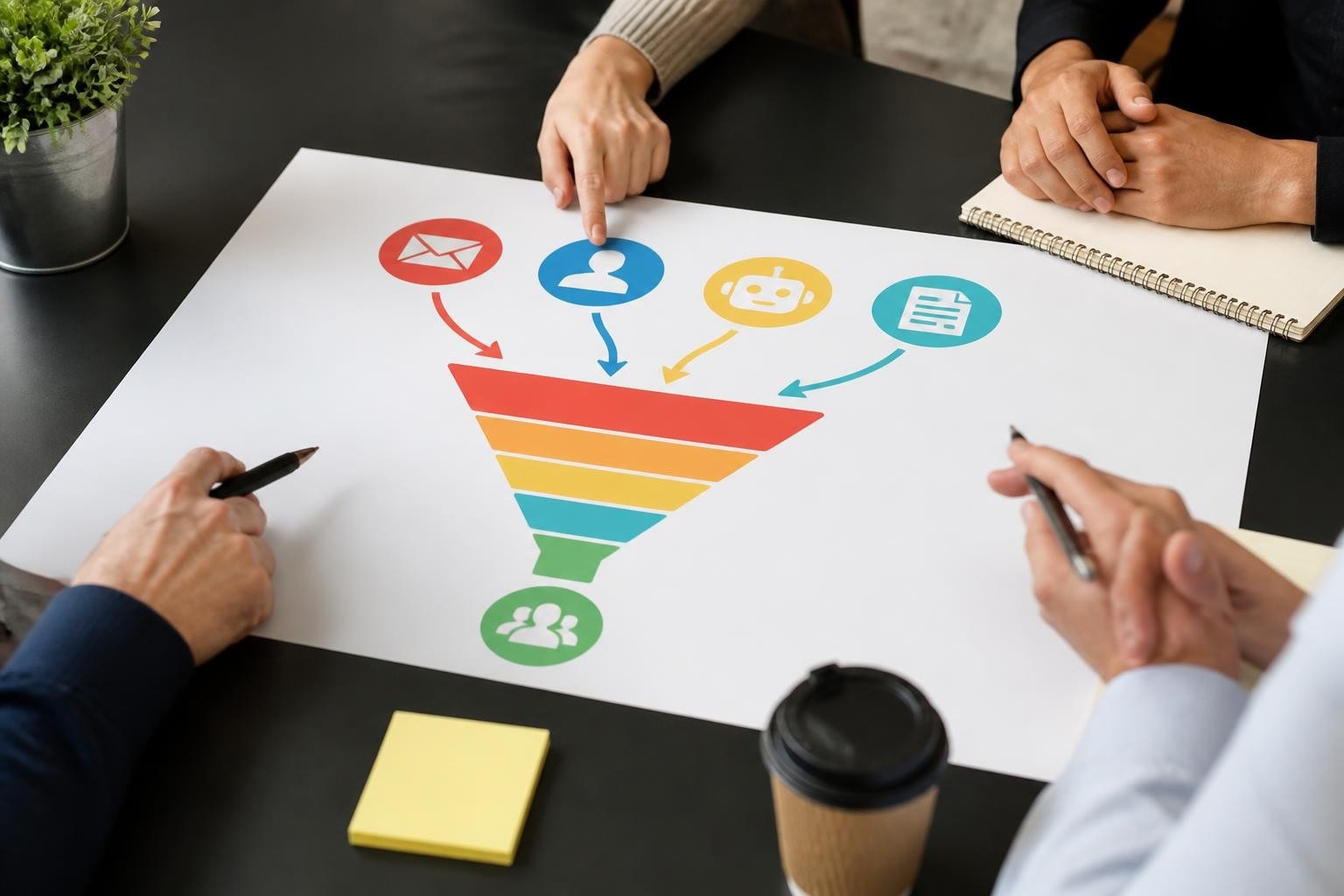
Generating consistent, high-quality leads for your business remains one of the most critical challenges facing modern organizations. Whether you're offering AI solutions, marketing services, or traditional products, your ability to attract and convert potential customers directly impacts revenue growth and long-term sustainability. The landscape of lead generation has evolved dramatically, with artificial intelligence, automation, and data-driven strategies transforming how businesses identify, engage, and nurture prospects. This comprehensive guide explores proven methods to build a robust lead generation system that delivers measurable results for your organization.
Understanding the Modern Lead Generation Landscape
The process of acquiring leads for your business has shifted from simple cold outreach to sophisticated, multi-touch campaigns that leverage technology and personalization. Today's buyers conduct extensive research before engaging with sales teams, making it essential to establish presence across multiple channels where potential customers search for solutions.
Modern lead generation encompasses several key components:
- Digital content marketing that addresses specific pain points
- AI-powered targeting and personalization systems
- Multi-channel outreach combining email, social, and direct engagement
- Data analytics to track conversion rates and optimize campaigns
- Automated nurturing sequences that move prospects through the funnel
Research from CIENCE's lead generation strategies guide demonstrates that successful B2B companies employ at least seven different tactics simultaneously to maintain a healthy pipeline. The integration of artificial intelligence into these processes has become particularly transformative for service-based businesses.

The Role of AI in Generating Leads
Artificial intelligence has fundamentally changed how businesses identify and qualify potential customers. Custom AI solutions can analyze thousands of data points to determine which prospects are most likely to convert, significantly improving efficiency for sales and marketing teams.
AI systems excel at pattern recognition, identifying prospects who share characteristics with your best existing customers. These technologies can monitor website behavior, email engagement, social media interactions, and third-party intent data to create comprehensive prospect profiles. For businesses offering specialized services, this precision targeting reduces wasted effort and accelerates the sales cycle.
Sales AI systems can automate initial qualification conversations, answer common questions, and schedule appointments without human intervention. This allows your team to focus on high-value interactions with genuinely interested prospects rather than spending hours on unqualified inquiries.
Building a Multi-Channel Lead Generation Strategy
Relying on a single channel to generate leads for your business creates unnecessary risk and limits growth potential. According to UserGems' lead generation best practices, successful companies balance inbound and outbound methods while maintaining consistent messaging across all touchpoints.
Content Marketing as a Lead Magnet
Creating valuable content positions your business as an authority while attracting prospects actively searching for solutions. This approach works particularly well for complex services where buyers need education before making purchase decisions.
Effective content types for lead generation include:
- Industry-specific guides and whitepapers
- Case studies demonstrating measurable results
- Video tutorials addressing common challenges
- Webinars featuring expert insights
- Original research and data reports
The key is matching content to different stages of the buyer journey. Awareness-stage content should address broad challenges, while consideration-stage materials compare solutions and highlight your unique approach. Decision-stage content provides proof points and removes final objections.
Publishing regular insights on topics like B2B email marketing or AI implementation services demonstrates expertise while capturing search traffic from potential customers researching these topics.
Email Outreach That Converts
Despite predictions of its demise, email remains one of the most effective channels for generating leads for your business. The difference between spam and successful outreach lies in personalization, relevance, and value delivery.
Modern email campaigns leverage AI to customize messaging based on prospect firmographics, technographics, and behavioral signals. Rather than sending generic pitches to purchased lists, sophisticated marketers craft sequences that acknowledge specific challenges faced by target accounts.
| Email Sequence Stage | Purpose | Typical Length | Key Elements |
|---|---|---|---|
| Initial Contact | Build awareness | 75-125 words | Relevant insight, specific pain point |
| Value Demonstration | Show capability | 100-150 words | Case study, data point, unique approach |
| Social Proof | Build credibility | 80-120 words | Testimonial, client results, industry recognition |
| Call to Action | Schedule conversation | 60-90 words | Clear next step, easy scheduling |
According to WordStream's lead generation strategies, personalized email campaigns generate six times higher transaction rates than generic messages. The investment in customization pays dividends through improved response rates and higher-quality conversations.

Optimizing LinkedIn for B2B Lead Generation
For businesses serving other companies, LinkedIn has become an indispensable platform for identifying and engaging decision-makers. The platform's advanced search capabilities and professional context make it ideal for targeted outreach.
Strategic LinkedIn Prospecting
Effective LinkedIn lead generation begins with precise audience definition. Use filters like job title, company size, industry, and geographic location to build lists of ideal prospects. LinkedIn Sales Navigator provides additional data points including recent job changes, company news, and engagement patterns.
LinkedIn prospecting workflow:
- Define ideal customer profile with specific criteria
- Create saved searches to monitor new prospects matching criteria
- Engage with prospect content before direct outreach
- Send personalized connection requests referencing shared interests
- Follow up with value-focused messages after acceptance
- Share relevant content to maintain visibility
The key is providing value before asking for anything in return. Comment thoughtfully on prospect posts, share industry insights, and position yourself as a helpful resource rather than another salesperson.
Leveraging Paid Advertising for Immediate Results
While organic methods build sustainable lead flow over time, paid advertising generates immediate visibility and allows for rapid testing of messaging and offers. The most effective paid strategies for leads for your business combine multiple platforms with coordinated messaging.
Platform-Specific Strategies
Different advertising platforms serve distinct purposes in the lead generation funnel. Google Ads captures high-intent search traffic, LinkedIn targets specific professional audiences, and Facebook/Instagram provide broad awareness and retargeting capabilities.
Search ads work best when targeting specific solution keywords where prospects demonstrate clear buying intent. Display and social ads excel at creating awareness and nurturing prospects through the consideration phase. Retargeting campaigns re-engage visitors who showed interest but didn't convert.
For service businesses, pay-per-click marketing delivers qualified leads when campaigns target specific pain points and offer valuable resources rather than immediate sales conversations. The landing page experience matters as much as the ad itself-ensure messaging consistency and clear next steps.
| Ad Platform | Best For | Average CPC Range | Typical Conversion Rate |
|---|---|---|---|
| Google Search | High intent keywords | $2-$15 | 3-8% |
| B2B targeting | $5-$12 | 2-5% | |
| Facebook/Instagram | Awareness, retargeting | $0.50-$3 | 1-3% |
| YouTube | Video content | $0.10-$0.30 | 0.5-2% |
Creating Irresistible Lead Magnets
The offer matters as much as the outreach method when generating leads for your business. Lead magnets provide immediate value in exchange for contact information, starting the relationship on a positive foundation.
Effective lead magnets solve a specific, immediate problem for your target audience. Generic resources like "10 Tips for Better Marketing" rarely convert well because they lack specificity and perceived value. Instead, create tools, templates, calculators, or insights that address precise challenges your prospects face.
High-converting lead magnet formats:
- Industry-specific assessment tools or calculators
- Template libraries or frameworks
- Exclusive research reports with original data
- Implementation checklists for complex processes
- Video training series on technical topics
The best lead magnets naturally lead to your paid services. If you offer AI implementation, create an assessment tool that helps prospects evaluate their readiness for AI adoption. This demonstrates expertise while identifying qualified opportunities.

Implementing Lead Scoring and Qualification Systems
Not all leads deserve equal attention from your sales team. Salesforce's lead generation guide emphasizes the importance of systematic qualification to maximize conversion rates and sales efficiency.
Lead scoring assigns numerical values to prospect behaviors and characteristics, helping teams prioritize follow-up activities. Explicit factors like job title, company size, and industry combine with implicit signals like content engagement, email opens, and website visits to create comprehensive scores.
Building an Effective Scoring Model
Start by analyzing your existing customer base to identify common characteristics of successful deals. Look at both demographic factors (company attributes) and behavioral patterns (engagement activities) that correlate with closed revenue.
Scoring framework example:
| Factor Type | Criterion | Point Value |
|---|---|---|
| Demographic | Director+ title | +15 |
| Demographic | Target industry | +10 |
| Demographic | Company size 50-500 | +10 |
| Behavioral | Downloaded whitepaper | +8 |
| Behavioral | Visited pricing page | +12 |
| Behavioral | Attended webinar | +15 |
| Behavioral | Requested demo | +25 |
Set threshold scores that trigger different actions. Leads scoring 50+ might route directly to sales for immediate follow-up, while 30-49 scores enter nurturing sequences, and below 30 receive educational content until engagement increases.
Nurturing Leads Through the Sales Funnel
According to CIENCE's sales lead generation process guide, only 27% of leads are ready for immediate sales conversations. The remaining prospects require nurturing through educational content and relationship building before they'll engage seriously.
Effective nurturing sequences deliver relevant content based on prospect behavior and profile. Someone who downloaded a technical guide receives different follow-up than someone who attended a pricing webinar. Segmentation ensures relevance and prevents overwhelming prospects with irrelevant messages.
Automated Nurturing Workflows
Marketing automation platforms enable sophisticated nurturing campaigns that respond dynamically to prospect actions. When someone downloads a resource, they automatically enter a sequence that provides related content while monitoring engagement signals.
Nurture sequence best practices:
- Space messages 3-7 days apart to avoid overwhelming recipients
- Vary content formats (articles, videos, case studies, tools)
- Include clear calls-to-action that progress prospects to next stage
- Monitor engagement and adjust based on response patterns
- Set exit criteria that trigger sales handoff when ready
Advanced nurturing integrates multiple channels beyond email. Retargeting ads reinforce messaging, social media engagement maintains visibility, and direct mail adds personalization for high-value accounts. The goal is maintaining top-of-mind awareness while demonstrating value.
Measuring and Optimizing Lead Generation Performance
What gets measured gets improved. Zendesk's comprehensive lead generation guide highlights key metrics that indicate program health and identify optimization opportunities.
Critical lead generation metrics:
- Cost per lead: Total program investment divided by leads generated
- Lead-to-opportunity conversion rate: Percentage qualifying for sales pipeline
- Opportunity-to-customer conversion rate: Sales effectiveness indicator
- Customer acquisition cost: Total marketing and sales cost per new customer
- Return on investment: Revenue generated versus program expenses
- Time to conversion: Average duration from first touch to closed deal
Track metrics by channel to understand which sources generate the highest-quality leads for your business. A channel producing high volumes at low cost but poor conversion rates may need refinement or elimination in favor of better-performing alternatives.
Continuous Improvement Through Testing
The most successful lead generation programs embrace systematic testing of messages, offers, channels, and targeting criteria. A/B testing reveals which approaches resonate with your audience and drive desired actions.
Test one variable at a time to isolate impact. Email subject lines, landing page headlines, call-to-action buttons, form lengths, and offer types all influence conversion rates. Small improvements compound over time to deliver significant performance gains.
Modern marketing tools provide analytics dashboards that track performance in real-time, enabling rapid iteration and optimization. Set up weekly reviews of key metrics and establish protocols for testing hypotheses about improvement opportunities.
Leveraging Customer Data and Intent Signals
The most sophisticated approach to generating leads for your business involves monitoring buyer intent signals across multiple data sources. Intent data reveals which companies actively research solutions in your category, enabling proactive outreach to in-market prospects.
Third-party intent providers aggregate browsing behavior, content consumption, and search patterns to identify accounts showing elevated interest in specific topics. When combined with first-party data from your website and engagement platforms, you gain comprehensive visibility into prospect readiness.
Intent signal sources:
- Website behavior tracking and page visit sequences
- Content download and consumption patterns
- Email engagement and link click analysis
- Social media interactions and sharing activity
- Third-party research and review site visits
- Technology installation and evaluation signals
Acting on intent data requires speed and relevance. When signals indicate active research, reach out with helpful resources rather than generic sales pitches. Reference the specific topics they've researched to demonstrate awareness and provide genuine value.
Integrating Sales and Marketing for Lead Success
The handoff between marketing and sales often represents the weakest point in lead generation systems. Sales Echo's lead generation strategies for 2026 emphasize alignment between teams to ensure qualified leads receive appropriate follow-up.
Establish clear definitions of lead stages and qualification criteria that both teams accept. Marketing commits to delivering leads meeting agreed specifications, while sales commits to timely follow-up and feedback on lead quality.
Service-Level Agreements Between Teams
Formalize expectations through service-level agreements specifying response times, follow-up cadences, and feedback requirements. When marketing delivers a sales-qualified lead, sales agrees to contact within a specific timeframe-typically 24-48 hours for warm leads.
Sales provides regular feedback on lead quality, conversion rates, and common objections. This information helps marketing refine targeting, messaging, and qualification criteria to improve overall program performance.
Regular joint meetings review pipeline health, discuss market trends, and align on priorities. When both teams share accountability for revenue targets rather than separate activity metrics, collaboration improves naturally.
Building Referral Programs That Scale
Existing customers and professional networks represent underutilized sources of leads for your business. Referral programs systematize the process of generating introductions from satisfied clients and strategic partners.
The most effective referral programs make it extremely easy for advocates to make introductions while providing genuine value to referred prospects. Rather than generic "refer a friend" campaigns, create specific programs targeting ideal customer profiles.
Referral program elements:
- Clear description of ideal referral characteristics
- Simple process for submitting referrals (single form, one step)
- Value proposition for referred prospect (exclusive offer, priority access)
- Recognition or rewards for referrer (financial incentive, exclusive benefits)
- Updates to referrer on prospect progress and outcome
Position referrals as helping peers solve real problems rather than transactional lead generation. When advocates genuinely believe your solution benefits others, they'll make introductions enthusiastically without financial incentives.
Generating consistent, high-quality leads requires strategic thinking, systematic execution, and continuous optimization across multiple channels and tactics. The businesses that excel combine AI-powered automation with personalized human engagement to create seamless experiences that attract and convert ideal prospects. If you're ready to transform your lead generation with custom AI solutions designed specifically for sales, marketing, and onboarding, Ryan Cook can help you build systems that deliver measurable results and sustainable growth.