

Sales coaching separates high-performing teams from stagnant ones. In 2026, learning how to coach sales reps effectively means combining proven frameworks with modern technology to deliver personalized development at scale. The stakes are higher than ever, with buyers conducting extensive research before engaging and expecting consultative, value-driven interactions. Your sales reps need more than product knowledge-they need continuous skill development, real-time feedback, and adaptive coaching that meets them where they are in their career journey.
Understanding the Foundation of Sales Coaching
Effective sales coaching starts with recognizing that every rep brings unique strengths, weaknesses, and motivations to the table. Research shows that sales leaders must tailor their approach based on career stage, as a new hire requires fundamentally different coaching than a veteran closer. Before implementing any coaching program, assess where each team member stands in their development.
Diagnosing Performance Gaps
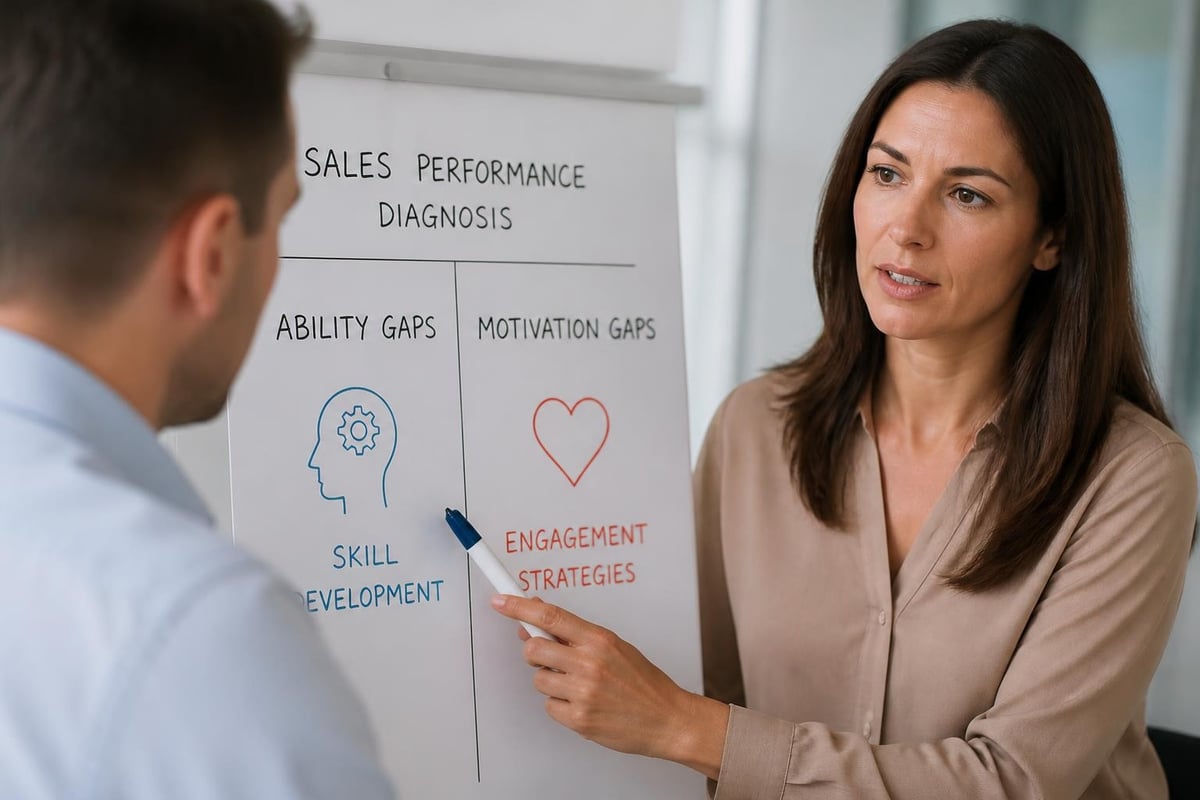
Understanding whether performance issues stem from ability or motivation is critical. When you know how to coach sales reps through this diagnostic lens, you avoid wasting time on solutions that miss the mark. Avoiding a one-size-fits-all approach means first identifying the root cause of underperformance.
Consider these diagnostic questions:
- Does the rep understand the sales process and methodology?
- Can they articulate value propositions clearly in practice sessions?
- Do they have the necessary product knowledge and competitive intelligence?
- Are they consistently executing core activities (calls, demos, follow-ups)?
- Do they demonstrate motivation and engagement with their work?
Ability gaps require training, practice, and skill-building. Motivation gaps need different interventions: clarifying expectations, removing obstacles, or addressing burnout. Misdiagnosing the problem leads to frustrated reps and wasted coaching hours.
Setting Clear Coaching Objectives
Vague coaching produces vague results. When learning how to coach sales reps successfully, establish specific, measurable objectives for each coaching relationship. These objectives should align with both individual development needs and broader team goals.
| Objective Type | Example | Measurement |
|---|---|---|
| Skill Development | Improve discovery questioning | Quality score on recorded calls |
| Activity Metrics | Increase qualified pipeline | Number of SQLs generated weekly |
| Conversion Improvement | Boost demo-to-close rate | Percentage conversion over 90 days |
| Process Adherence | Follow qualification framework | CRM data completeness score |
Clear objectives allow you to track progress systematically and adjust your coaching approach based on what's working. They also give reps concrete goals to work toward rather than abstract notions of "getting better."
Implementing a Structured Coaching Framework
Random coaching conversations won't move the needle. You need a repeatable framework that ensures consistency while allowing for personalization. The most effective frameworks combine regular cadence with flexible content that addresses each rep's current challenges.
The Five-Step Coaching Model
A proven approach for how to coach sales reps in tech and B2B environments follows a five-step model that creates structure without rigidity:
- Observe: Review call recordings, attend live meetings, analyze CRM data, and gather performance metrics
- Assess: Identify specific behaviors to reinforce or modify based on your observations
- Plan: Design a targeted coaching session focused on 1-2 key development areas
- Coach: Deliver the coaching conversation using questions, role-play, and collaborative problem-solving
- Follow-Up: Set specific action items and schedule accountability check-ins
This cycle repeats continuously, with each iteration building on previous sessions. The key is consistency-weekly or bi-weekly coaching sessions maintain momentum far better than monthly or ad-hoc conversations.
Creating Coaching Moments in Daily Work
Formal coaching sessions matter, but learning how to coach sales reps in the flow of work multiplies your impact. These micro-coaching moments reinforce skills immediately when they're most relevant.
Pre-call coaching takes 5-10 minutes before important meetings. Review the prospect's situation, role-play potential objections, and refine the rep's strategy. Post-call debriefs capture learning while the experience is fresh-what went well, what could improve, and what to do differently next time.
Pipeline reviews become coaching opportunities when you shift from interrogation to development. Instead of just asking "What's the status?", ask "What questions do you still need answered?" or "What value have we demonstrated so far?"
Modern AI sales coaching software enables this continuous coaching by analyzing every call and surfacing specific moments for improvement. Reps can review their own performance and come to coaching sessions with self-identified growth areas.
Personalizing Your Coaching Approach
Generic coaching scripts fail because sales is fundamentally a people business. Understanding how to coach sales reps effectively means adapting your style to each individual's learning preferences, experience level, and personality.
Coaching by Experience Level
New reps (0-6 months) need foundational coaching focused on process adherence and product knowledge. They benefit from more directive coaching with clear frameworks and frequent check-ins. Provide templates, scripts, and structured guidance.
Developing reps (6-18 months) require coaching that builds independence and situational judgment. Use more questions and less prescription. Help them analyze why certain approaches work in different contexts.
Veteran performers need coaching that challenges them with strategic complexity and leadership development. Focus on deal strategy, account planning, and mentoring others. Respect their expertise while pushing them to new levels.
This progression aligns with research showing that coaching needs evolve significantly across career stages. A senior rep doesn't need activity management-they need strategic thinking partnership.

Leveraging Different Coaching Modalities
Different skills require different practice methods. Knowing how to coach sales reps across modalities ensures comprehensive development:
- One-on-one coaching sessions: Deep dives into strategy, mindset, and complex skills
- Group training: Efficient for new processes, product updates, and shared challenges
- Peer coaching: Reps learn by teaching each other and sharing best practices
- Self-directed learning: Video libraries, articles, and recorded best practices for independent study
- AI-powered practice: Realistic sales roleplay scenarios that reps can access anytime
The most effective programs blend these approaches based on what each skill requires. Complex negotiation might need one-on-one coaching, while objection handling benefits from group practice and AI roleplay repetitions.
Measuring Coaching Effectiveness
You can't improve what you don't measure. Learning how to coach sales reps includes establishing metrics that prove coaching impact and identify what's working.
Leading and Lagging Indicators
Track both immediate coaching adoption and downstream business results:
| Leading Indicators | Lagging Indicators |
|---|---|
| Coaching session completion rate | Quota attainment changes |
| Skill scores from practice sessions | Win rate improvements |
| Activity metric improvements | Average deal size growth |
| CRM data quality increases | Sales cycle length reduction |
| Call analysis scores | Revenue per rep gains |
Leading indicators tell you if coaching is happening and being absorbed. Lagging indicators prove it's driving business outcomes. Research on sales coaching and value creation demonstrates that specific coaching interactions directly correlate with measurable performance improvements.
Using Technology to Scale Measurement
Manual coaching tracking becomes unsustainable as teams grow. Modern sales performance management software automates data collection and surfaces insights that would be impossible to gather manually.
Conversation intelligence analyzes every customer interaction for talk-time ratios, question quality, objection handling, and value communication. These metrics provide objective coaching opportunities rather than relying on manager intuition alone.
Performance dashboards show each rep's progress toward coaching objectives in real-time. Managers can identify who needs intervention before small issues become major performance problems.
Coaching analytics track which coaching interventions correlate with improvement. If reps who complete roleplay sessions show 15% higher close rates, that insight helps you prioritize where to invest coaching time.
Building Coaching Consistency Across Your Team
Individual coaching excellence doesn't scale if each manager uses different approaches. When developing how to coach sales reps as an organizational competency, create frameworks that ensure quality while allowing flexibility.
Developing Your Coaching Playbook
Document your coaching methodology so it can be replicated and improved. Your playbook should include:
- Coaching session templates for different scenarios (onboarding, skill development, deal strategy)
- Question banks that prompt effective coaching conversations
- Common performance issues and proven remediation approaches
- Success stories and case studies from your team
- Integration points with your sales process and methodology
This playbook becomes especially valuable when onboarding new managers or expanding your team. It captures institutional knowledge and prevents coaching quality from varying wildly by manager.
Training Your Coaches
Sales managers often get promoted for being excellent individual contributors, not for coaching ability. Invest in developing their coaching skills through dedicated training, practice, and feedback. Best practices for sales training design emphasize the critical handoff from initial training to ongoing coaching.
Manager coaching workshops should cover active listening, asking powerful questions, delivering feedback effectively, and diagnosing performance issues. Role-playing coaching scenarios builds manager confidence before they practice on real reps.
Manager peer groups create accountability and shared learning. When sales managers meet regularly to discuss coaching challenges, they learn from each other's successes and failures.

Integrating AI and Technology into Coaching
Understanding how to coach sales reps in 2026 requires leveraging AI tools that augment human coaching rather than replace it. Technology handles the scalable, repetitive aspects while managers focus on strategy, motivation, and complex skill development.
AI-Powered Practice and Feedback
Traditional roleplay is valuable but limited by time and availability. Reps might practice a pitch 2-3 times with their manager. With AI training platforms, they can practice 20-30 times, receiving instant feedback on each attempt.
These systems simulate realistic buyer personas, asking tough questions and raising objections that reps will face in real conversations. The AI provides immediate scoring on talk time, filler words, value articulation, and objection handling quality.
This repetition builds muscle memory that transfers to live calls. When reps encounter a familiar objection for the 15th time in practice, they respond confidently instead of stumbling through it for the first real attempt.
Automating Coaching Preparation
Managers spend hours reviewing calls and preparing for coaching sessions. AI conversation analysis tools eliminate this prep work by automatically identifying coaching moments.
The system flags calls where the rep talked too much, missed buying signals, failed to ask discovery questions, or struggled with specific objections. Managers receive a curated highlight reel of exactly what needs coaching attention.
This efficiency allows managers to coach more reps more frequently. Instead of having time for deep coaching with 3-4 team members, they can provide quality coaching to their entire team.
Data-Driven Coaching Decisions
Gut-feel coaching misses patterns that data reveals. When you analyze hundreds of calls, clear trends emerge about what separates top performers from average ones.
Perhaps your best closers ask 3x more future-state questions than struggling reps. Maybe they spend 40% of demo time on discovery instead of rushing to features. These insights inform exactly what to coach and provide proof points that motivate behavior change.
Sales call analysis software surfaces these patterns automatically, transforming raw conversation data into actionable coaching insights.
Overcoming Common Coaching Challenges
Even with solid frameworks and technology, coaching sales reps presents predictable obstacles. Anticipating these challenges allows you to address them proactively.
Time Scarcity and Competing Priorities
Sales managers face constant pressure to forecast, handle escalations, close deals themselves, and manage administrative tasks. Coaching often gets deprioritized despite being the highest-leverage activity.
Solution: Block dedicated coaching time on your calendar and protect it as rigorously as customer meetings. Start with one hour weekly per rep, even if you think you need more. Consistency beats intensity. Brief weekly sessions outperform lengthy monthly sessions.
Leverage technology to reclaim time. If AI handles call analysis and practice, you can focus coaching conversations on strategy and motivation rather than basic skill development.
Rep Resistance to Coaching
Some reps view coaching as criticism or micromanagement, especially veteran performers who feel they've "earned" autonomy. Others simply don't see the value.
Solution: Frame coaching as performance enhancement, not remediation. Even elite athletes have coaches. Make it clear that coaching is for everyone, not just struggling reps.
Involve reps in diagnosing their own gaps and setting development goals. People support what they help create. When reps identify their own improvement areas, they're invested in the coaching process.
Share data showing the correlation between coaching engagement and results. When reps see that colleagues who participate in roleplay sessions close 20% more deals, resistance decreases.
Measuring Long-Term Impact
Coaching effects often take months to materialize in business metrics, making it hard to justify the investment and maintain commitment.
Solution: Track leading indicators that show progress before revenue changes appear. Improved call scores, better CRM hygiene, increased activity levels, and higher qualification rates all predict future success.
Celebrate small wins visibly. When a rep who struggled with objections now handles them smoothly, recognize that progress publicly. These stories build coaching credibility across the team.
Implement regular sales performance metrics reviews that explicitly connect coaching activities to outcome improvements. Show the causal chain from coaching investment to skill improvement to business results.
Creating a Coaching Culture
The most effective sales organizations don't view coaching as a manager's responsibility-they build cultures where everyone coaches everyone. Understanding how to coach sales reps at this level means fostering peer coaching, self-coaching, and continuous improvement mindsets.
Peer Coaching Programs
Pair experienced reps with newer team members in formal mentorship relationships. The mentor gains leadership experience and deepens their own knowledge by teaching. The mentee receives guidance from someone who recently faced similar challenges.
Create peer review sessions where reps share call recordings and workshop tough situations together. The collective intelligence of the team often produces better solutions than individual coaching alone.
Top performers can record their best calls with commentary explaining their thought process. This creates a library of excellence that new reps can study and emulate.
Self-Coaching Through Reflection
Train reps to analyze their own performance using structured frameworks. After important calls, have them complete brief self-assessments:
- What went well?
- What would I do differently?
- What did I learn about the buyer?
- What specific skill will I practice before the next interaction?
This reflection habit builds self-awareness and accelerates improvement between formal coaching sessions. Reps who actively self-coach require less manager intervention while developing faster.
Recognition and Reinforcement
Acknowledge coaching participation and improvement publicly. When you celebrate the effort (practice sessions completed, skills improved) and not just outcomes (deals closed), you reinforce that development is valued.
Create competitions around skill development, not just revenue. Who improved their discovery question quality the most this quarter? Who logged the most practice sessions? These recognitions motivate continuous learning.
Share coaching success stories in team meetings. When someone overcomes a specific challenge through coaching, tell that story. It normalizes struggle and improvement while showing peers what's possible.
Mastering how to coach sales reps transforms team performance from the inside out, creating sustainable advantage through continuous skill development. The combination of structured frameworks, personalized approaches, and AI-powered tools allows you to deliver world-class coaching at scale. If you're looking to implement intelligent coaching systems that combine human expertise with AI capabilities, Ryan Cook specializes in custom AI solutions designed specifically for sales teams. Our systems support your coaching efforts through automated analysis, intelligent practice environments, and performance insights that make every coaching conversation more effective.